
Hebei YUBO Filtration Equipment Co., Ltd. Hebei YUBO Filtration Equipment Co., Ltd.
+86 15732177595
Hebei YUBO Filtration Equipment Co., Ltd. Hebei YUBO Filtration Equipment Co., Ltd.
+86 15732177595
In industrial filtration systems, bag filter housing plays a critical role in protecting downstream equipment, maintaining fluid quality, and ensuring stable process operation. Although filter bags determine the final filtration accuracy, the housing design directly affects flow distribution, pressure drop, sealing reliability, and overall filtration efficiency.
A properly designed Bag Filter Housing must balance structural strength, hydraulic performance, material compatibility, and maintenance requirements. Factors such as housing size, inlet and outlet configuration, filter bag arrangement, operating pressure, and material selection all influence the long-term performance of the filtration system.
Understanding these design factors helps industries reduce downtime, improve filtration reliability, and achieve lower lifecycle operating costs.
One of the most important factors affecting bag filter housing performance is selecting the correct housing size according to the required flow rate.
If the housing capacity is too small:
Flow velocity through the filter bag increases
Pressure drop rises quickly
Filter bags become overloaded
Replacement frequency increases
An oversized housing may reduce filtration efficiency due to unnecessary equipment costs and larger installation requirements.
The correct design should consider:
Process flow rate
Fluid viscosity
Contaminant concentration
Required filtration accuracy
Allowable pressure drop
For high-flow applications, multi-bag filter housings are often preferred because they increase filtration surface area and distribute the flow more evenly across multiple filter bags.
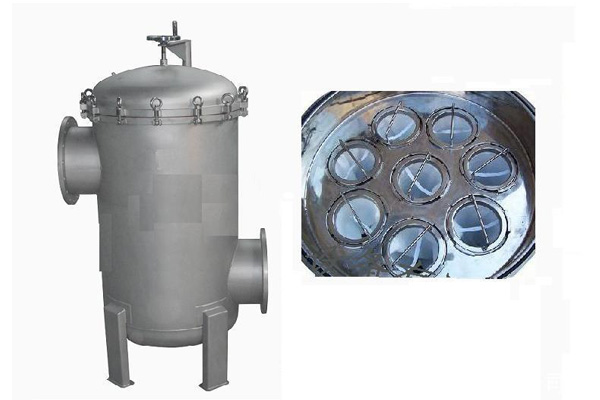
The internal flow pattern of a bag filter housing significantly impacts filtration performance.
Poor inlet design can create:
Uneven flow distribution
Localized pressure impact
Premature filter bag wear
Reduced dirt-holding capacity
When fluid enters the housing at excessive velocity, contaminants may concentrate in one area of the filter bag instead of being distributed evenly.
A well-designed housing should include:
Smooth inlet transitions
Proper flow guidance
Optimized outlet positioning
Reduced turbulence inside the vessel
Uniform flow distribution allows the entire filter bag surface to participate in filtration, improving service life and reducing maintenance frequency.
3. Differential Pressure Control and Filter Life
Differential pressure (DP) is one of the key indicators of bag filter housing performance.
As contaminants accumulate on the filter bag surface, resistance increases and the pressure difference between the inlet and outlet rises.
Excessive differential pressure can lead to:
Reduced system flow
Increased pump workload
Filter bag deformation
Higher energy consumption
A properly designed system should include pressure monitoring devices to track filter conditions.
Maintaining an appropriate pressure range helps operators determine the optimal replacement or cleaning time before filtration performance declines.
4. Filter Bag Selection and Housing Compatibility
The housing and filter bag must work together as an integrated system.
Important bag-related factors include:
Filtration Rating
A finer filtration rating improves particle removal but may increase initial pressure drop.
Filter Material
Common materials include:
Polypropylene (PP)
Polyester (PE)
Nylon
Stainless steel mesh
Material selection depends on:
Chemical compatibility
Temperature requirements
Particle characteristics
Bag Structure
Different designs provide different filtration performance:
Standard felt bags for general applications
Mesh bags for larger particles
Pleated bags for higher surface area requirements
A mismatch between housing design and filter bag type can reduce efficiency and increase operating costs.
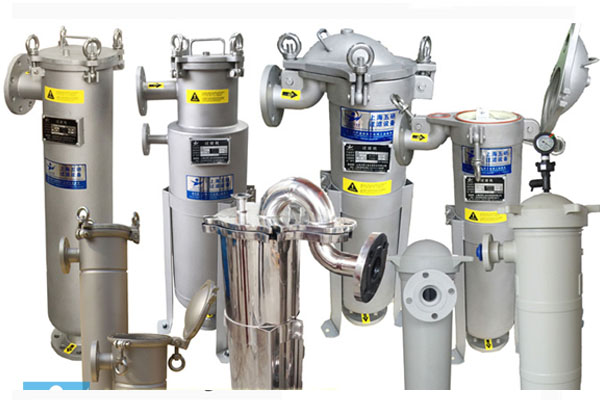
5. Material Selection for Industrial Conditions
Bag filter housings often operate under challenging conditions involving pressure, temperature, and chemical exposure.
Common housing materials include:
Stainless Steel 304
Suitable for general industrial applications with moderate corrosion requirements.
Stainless Steel 316L
Preferred for:
Chemical processing
Food and beverage applications
Marine environments
due to improved corrosion resistance.
Carbon Steel with Protective Coating
Used in applications where cost efficiency and mechanical strength are priorities.
Selecting the correct material ensures long service life and prevents corrosion-related failures.
A high-performance bag filter housing must prevent untreated fluid from bypassing the filter media.
Common causes of bypass include:
Poor sealing between bag and basket
Damaged sealing rings
Incorrect bag installation
Housing deformation
Reliable sealing designs, such as precision-machined sealing surfaces and proper basket support structures, help ensure that all fluid passes through the filter media.
This is especially important in applications requiring strict filtration quality, including:
Chemical processing
Food production
Pharmaceutical manufacturing
High-purity water systems
Maintenance requirements directly affect the total cost of ownership of a bag filter housing.
A user-friendly design should allow:
Easy filter bag replacement
Quick housing opening
Simple internal inspection
Reduced maintenance downtime
Features such as:
Hinged covers
Clamp closures
Quick-opening designs
Corrosion-resistant components
can significantly improve operator efficiency.
A well-designed housing does not only improve filtration performance but also reduces long-term operating expenses.
Due to their flexibility and reliability, bag filter housings are widely used in:
Water Treatment
Industrial water filtration
Pretreatment systems
Cooling water protection
Chemical Industry
Process liquid filtration
Chemical solution purification
Food and Beverage
Product protection
Liquid clarification
Oil and Gas
Lubricant filtration
Hydraulic fluid protection
General Industrial Applications
Paint filtration
Coating systems
Manufacturing process fluids
FAQ
What factors determine bag filter housing performance?
The main factors include housing size, flow design, material selection, sealing structure, filter bag compatibility, and operating conditions.
How does inlet design affect filtration efficiency?
A poor inlet design can create uneven flow distribution and accelerate filter bag wear, while optimized flow paths improve filtration stability.
Why is differential pressure important in bag filter systems?
Differential pressure indicates the level of filter loading and helps determine when maintenance or bag replacement is required.
Which material is best for bag filter housing?
The best material depends on the application. Stainless steel 304 is common for general use, while 316L is preferred for corrosive environments.
The performance of a Bag Filter Housing depends on much more than the filter bag itself. Housing design factors—including flow distribution, size selection, pressure control, sealing reliability, and material compatibility—directly influence filtration efficiency and operating costs.
By optimizing these engineering considerations, industries can achieve more stable filtration performance, longer filter life, reduced maintenance requirements, and improved overall process reliability.
For modern industrial filtration systems, a well-designed bag filter housing is not only a protective enclosure but also a key component that determines long-term filtration success.
Related Products
Automatic Backwash Self Cleaning Filters
86-15732177595
Jinling Mansion 2 2-3-403, Yuhua Road 106-1, Yuhua District, Shijiazhuang City, Hebei, China
Request a Quote