
Hebei YUBO Filtration Equipment Co., Ltd. Hebei YUBO Filtration Equipment Co., Ltd.
+86 15732177595
Hebei YUBO Filtration Equipment Co., Ltd. Hebei YUBO Filtration Equipment Co., Ltd.
+86 15732177595
In industrial liquid filtration systems, basket filter housing plays a critical role in protecting pumps, valves, heat exchangers, and other downstream equipment from solid contaminants. Unlike disposable filtration systems, basket filter housings are designed for continuous operation, easy cleaning, and long-term service.
However, achieving reliable filtration performance depends on more than selecting a suitable filter basket. Factors such as housing structure, flow capacity, pressure rating, material selection, sealing design, and maintenance requirements all influence overall system efficiency.
A properly designed industrial basket filter housing can reduce pressure loss, extend equipment life, minimize downtime, and improve process reliability.
A basket filter housing is a pressure vessel that contains a removable perforated or mesh filter basket used to separate solid particles from liquids.
During operation:
1.Contaminated liquid enters the housing.
2.The flow passes through the filter basket.
3.Solid particles are trapped inside or on the surface of the basket.
4.Filtered liquid exits the housing.
The removable basket allows operators to clean or replace the filtering element without replacing the entire unit.
Common applications include:
Chemical processing
Water treatment
Oil and gas systems
Food and beverage production
Power generation
Industrial cooling systems
In industrial environments, filtration systems often operate continuously under changing conditions.
Poor housing design may result in:
Excessive pressure drop
Uneven flow distribution
Frequent cleaning requirements
Premature component failure
Increased operating costs
A well-designed basket filter housing should provide:
High filtration efficiency
Stable flow performance
Easy maintenance
Long service life
Reliable protection for downstream equipment
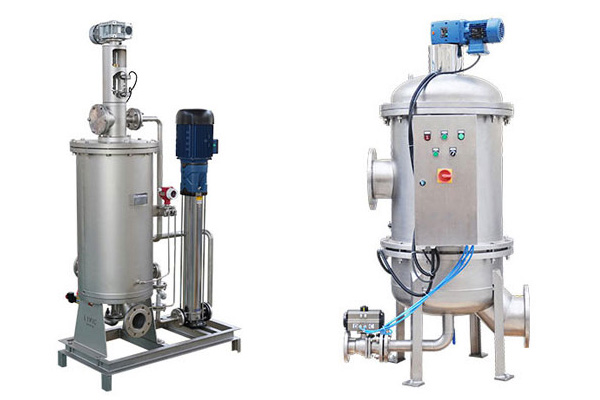
A basket filter housing must provide sufficient filtration area to handle the required liquid flow without creating excessive resistance.
An undersized housing may cause:
Higher pressure drop
Increased pump workload
Faster basket clogging
Reduced system efficiency
Important design factors include:
Basket surface area
Open area percentage
Liquid viscosity
Contaminant concentration
Required flow rate
A larger filtration area generally allows lower flow velocity through the basket, improving operating stability.
2. Filter Basket Design and Filtration Accuracy
The filter basket is the core filtration component.
Its design directly affects:
Particle removal efficiency
Dirt-holding capacity
Cleaning frequency
Pressure loss
Common basket materials include:
Stainless steel wire mesh
Perforated metal sheets
Wedge wire screens
For demanding industrial applications, wedge wire baskets provide advantages such as:
Strong mechanical structure
Precise slot openings
High open area
Good resistance to clogging
The appropriate basket design depends on:
Particle size
Contaminant type
Required filtration level
Cleaning method
3. Material Selection for Different Operating Conditions
Industrial liquids may contain corrosive or aggressive components.
Material selection directly affects housing durability and service life.
Common housing materials include:
Material Typical Applications
SS304 General industrial liquids
SS316L Chemical and corrosive environments
Carbon Steel Large-scale non-corrosive applications
Duplex Stainless Steel High chloride or severe conditions
When selecting materials, engineers should consider:
Chemical compatibility
Temperature range
Pressure conditions
Cleaning methods
Proper material selection helps prevent:
Corrosion damage
Leakage
Structural weakening
Unexpected downtime
Industrial basket filter housings must withstand operating pressure and mechanical loads.
Key structural considerations include:
Housing wall thickness
Cover design
Flange connection strength
Basket support structure
A reliable pressure design ensures stable operation under:
Continuous pressure
Pressure fluctuations
Temperature changes
For critical systems, insufficient mechanical strength may lead to:
Deformation
Seal failure
Safety risks
A reliable sealing system is essential for industrial filtration.
The housing cover, gasket, and basket positioning system must prevent unfiltered liquid from bypassing the basket.
Important sealing components include:
O-rings
Flat gaskets
Clamp closures
Flange seals
Good sealing performance provides:
Higher filtration reliability
Reduced contamination risk
Safer operation
Seal material selection should match:
Process fluid characteristics
Temperature
Chemical exposure
Efficient liquid flow distribution improves basket utilization.
Poor internal design may cause:
Uneven contaminant loading
Localized clogging
Reduced filtration efficiency
A well-designed basket filter housing should minimize turbulence and ensure that liquid contacts the entire basket surface.
Benefits include:
Longer cleaning intervals
More uniform filtration
Lower pressure fluctuations
One major advantage of basket filter housings is reusable filtration.
However, maintenance design directly affects operating efficiency.
A practical design should allow:
Easy basket removal
Fast cleaning
Simple inspection
Reduced downtime
Common design features include:
Quick-opening covers
Drain ports
Lifting handles
Accessible basket structures
Efficient maintenance reduces labor costs and improves system availability.
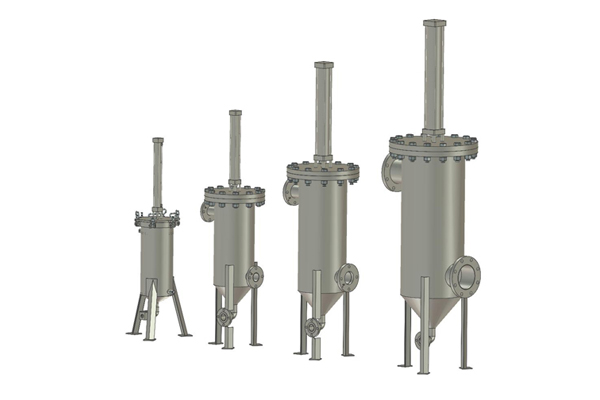
Different applications require different configurations.
Single Basket Filter Housing
Advantages:
Simple structure
Easy maintenance
Lower initial cost
Suitable for:
Small and medium flow applications
General industrial filtration
Multi-Basket Filter Housing
Advantages:
Higher flow capacity
Larger filtration area
Longer operating cycles
Suitable for:
High-flow industrial systems
Continuous production processes
Selection depends on:
Flow requirements
Space limitations
Maintenance strategy
The initial purchase cost is only one part of the total investment.
A high-quality basket filter housing can reduce lifecycle costs through:
Lower Maintenance Frequency
Durable baskets require less frequent replacement.
Reduced Energy Consumption
Lower pressure drop reduces pump workload.
Longer Equipment Protection
Cleaner fluids reduce wear on downstream equipment.
Improved Production Stability
Reliable filtration minimizes unexpected shutdowns.
Applications of Industrial Basket Filter Housing
Chemical Industry
Used for:
Process liquid filtration
Chemical protection
Solvent filtration
Water Treatment
Used for:
Pretreatment filtration
Pump protection
Suspended solid removal
Oil and Gas
Used for:
Lubricant filtration
Pipeline protection
Process fluid cleaning
Food and Beverage
Used for:
Product filtration
Process water purification
Power Generation
Used for:
Cooling water filtration
Equipment protection
Before choosing a basket filter housing, consider:
1. Operating Conditions
Evaluate:
Fluid type
Temperature
Pressure
Corrosion environment
2. Filtration Requirements
Determine:
Particle size
Required filtration accuracy
Contaminant loading
3. Flow Requirements
Consider:
Maximum flow rate
Allowable pressure drop
Continuous operation needs
4. Maintenance Requirements
Evaluate:
Cleaning frequency
Basket replacement
Accessibility
5. Long-Term Cost
Consider:
Initial investment
Operating expenses
Maintenance requirements
Service life
1. What is the main purpose of a basket filter housing?
A basket filter housing removes solid contaminants from industrial liquids and protects downstream equipment such as pumps, valves, and heat exchangers.
2. How does basket design affect filtration performance?
Basket design influences filtration accuracy, pressure drop, dirt-holding capacity, and cleaning frequency.
3. Which material is commonly used for industrial basket filter housings?
SS316L is widely used in chemical and corrosive applications because of its excellent corrosion resistance.
4. How can pressure drop be reduced in basket filter systems?
Pressure drop can be reduced by selecting proper housing size, optimizing basket open area, and maintaining regular cleaning schedules.
The performance of an industrial basket filter housing depends on multiple design factors, including flow capacity, basket structure, material selection, pressure resistance, sealing reliability, and maintenance accessibility.
A properly engineered basket filter housing provides efficient contaminant removal, protects downstream equipment, reduces operating costs, and supports reliable long-term industrial filtration.
For continuous liquid filtration systems, selecting the right housing design is essential for achieving stable performance and maximizing lifecycle value.
Related Products
Automatic Backwash Self Cleaning Filters
86-15732177595
Jinling Mansion 2 2-3-403, Yuhua Road 106-1, Yuhua District, Shijiazhuang City, Hebei, China
Request a Quote