
Hebei YUBO Filtration Equipment Co., Ltd. Hebei YUBO Filtration Equipment Co., Ltd.
+86 15732177595
Hebei YUBO Filtration Equipment Co., Ltd. Hebei YUBO Filtration Equipment Co., Ltd.
+86 15732177595
A bag filter housing is a critical component in industrial liquid filtration systems, protecting downstream equipment and ensuring stable process quality. While filter bags are consumable items designed for periodic replacement, the housing itself represents a long-term investment. Its service life directly affects maintenance costs, operational reliability, and the total cost of ownership (TCO).
Many facilities focus primarily on filtration accuracy or flow capacity when selecting a bag filter housing, but factors such as material selection, operating conditions, pressure management, and maintenance practices often have a greater impact on long-term durability. A well-designed housing can remain in service for more than a decade, whereas improper selection or poor operating conditions may lead to premature corrosion, fatigue, seal failure, or structural damage.
The lifespan of a bag filter housing is influenced by a combination of mechanical, chemical, and operational factors. Rather than relying on a single specification, engineers should evaluate the complete operating environment.
The most important considerations include:
Construction material
Process fluid characteristics
Operating pressure and temperature
Corrosion resistance
Maintenance practices
Installation quality
Cleaning procedures
Manufacturing quality
Understanding how these factors interact helps reduce unexpected failures and optimize long-term performance.
The housing material determines its ability to resist corrosion, pressure, and mechanical stress.
Common materials include:
Material Typical Applications
Carbon Steel General industrial liquids with low corrosion risk
Stainless Steel 304 Water treatment and general chemical processes
Stainless Steel 316L Corrosive chemicals, pharmaceuticals, food processing
Duplex Stainless Steel High-chloride and seawater applications
For many industrial environments, SS316L provides an excellent balance between corrosion resistance, mechanical strength, and cost. In more aggressive media containing chlorides or strong acids, Duplex stainless steel may offer a significantly longer service life.
Selecting a material compatible with the process fluid is often the single most important factor affecting housing longevity.
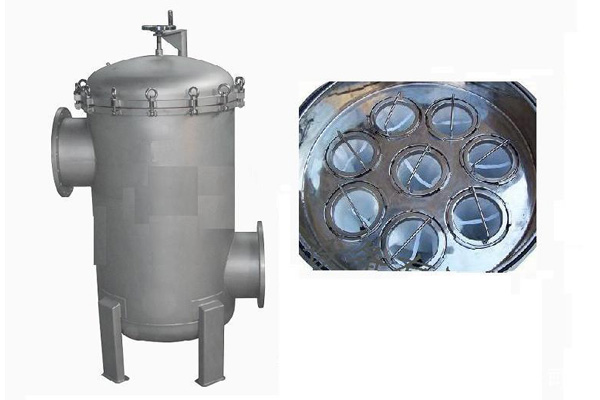
Bag filter housings are designed for specific pressure ratings, but repeated pressure fluctuations can shorten their lifespan through fatigue.
Common causes include:
Pump start-stop cycles
Water hammer
Rapid valve operation
Blocked filter bags
Excessive differential pressure
To minimize stress, engineers should:
Keep operating pressure within the design limit.
Replace clogged filter bags before differential pressure becomes excessive.
Install pressure relief devices where necessary.
Avoid sudden pressure surges during startup and shutdown.
Stable pressure conditions reduce fatigue and help preserve weld integrity over years of operation.
Temperature has a significant effect on material performance.
High operating temperatures can:
Accelerate corrosion
Age elastomer seals
Reduce gasket elasticity
Increase thermal stress
Repeated heating and cooling cycles may also contribute to metal fatigue, particularly around welds and flanged connections.
When operating above approximately 120–150°C, special attention should be given to gasket materials, seal compatibility, and thermal expansion allowances.
Corrosion is one of the leading causes of premature housing failure.
Potential corrosion mechanisms include:
Chloride attack
Acid corrosion
Alkali corrosion
Crevice corrosion
Pitting corrosion
Galvanic corrosion
Selecting the correct material grade is only part of the solution. Proper surface finishing, passivation, and routine inspections also play a key role in preventing localized corrosion that can compromise structural integrity.
Even with premium materials, poor manufacturing can significantly reduce service life.
Key quality indicators include:
Precision welding
Uniform wall thickness
Smooth internal surfaces
Accurate machining of sealing areas
Hydrostatic pressure testing
Surface passivation
High-quality welds reduce the likelihood of stress concentration, leakage, and crack initiation during long-term operation.
Preventive maintenance extends equipment life considerably.
Recommended maintenance practices include:
Inspect housing interiors for corrosion or wear.
Replace damaged O-rings and gaskets promptly.
Clean internal surfaces after filter bag replacement.
Lubricate closure mechanisms where applicable.
Verify pressure gauge accuracy.
Monitor differential pressure trends.
Regular inspections help identify small issues before they become major repairs.
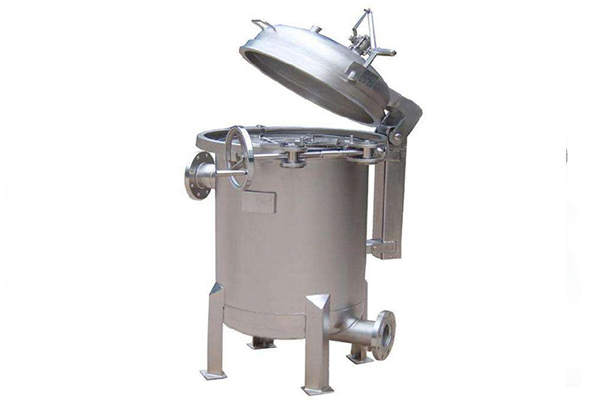
Incorrect installation often causes avoidable damage.
Best practices include:
Ensure proper pipe alignment.
Avoid excessive external pipe loads.
Tighten cover bolts evenly to prevent seal distortion.
Confirm compatibility between filter bag and support basket.
Operate within the specified pressure and temperature range.
Correct installation reduces mechanical stress and prevents leakage around sealing surfaces.
Actual service life depends on operating conditions, but the following ranges are commonly observed with proper maintenance:
Operating Conditions Typical Housing Service Life
Mild industrial service 10–15 years
Chemical processing 8–12 years
Corrosive environments 5–10 years (material dependent)
Food and pharmaceutical applications 10+ years with regular maintenance
Routine inspection and timely replacement of consumable components can significantly extend these estimates.
To maximize the longevity of a bag filter housing:
Select materials based on fluid chemistry rather than initial cost.
Prevent excessive differential pressure by replacing filter bags on schedule.
Avoid pressure surges and water hammer.
Use compatible gasket and seal materials.
Perform regular corrosion inspections.
Maintain accurate pressure monitoring.
Purchase housings manufactured to recognized quality standards.
Establish a preventive maintenance schedule.
These measures not only extend equipment life but also improve process reliability and reduce unplanned downtime.
1. How long does a stainless steel bag filter housing typically last?
Under normal operating conditions and with proper maintenance, a stainless steel bag filter housing can often remain in service for 10 years or more. Actual lifespan depends on fluid chemistry, operating pressure, temperature, and maintenance practices.
2. What is the most common cause of premature housing failure?
Corrosion, excessive pressure fluctuations, improper material selection, and neglected maintenance are among the most common causes of shortened service life.
3. Does replacing filter bags regularly help extend housing life?
Yes. Timely filter bag replacement prevents excessive differential pressure, reducing mechanical stress on the housing, seals, and support basket while maintaining stable filtration performance.
4. Which material offers the best durability?
For many industrial applications, SS316L provides excellent corrosion resistance and long-term reliability. In highly corrosive or chloride-rich environments, Duplex stainless steel or specialized alloys may provide an even longer service life.
The service life of a bag filter housing is determined by far more than its initial construction quality. Material selection, pressure management, corrosion resistance, operating temperature, manufacturing precision, and preventive maintenance all play essential roles in long-term performance.
By considering these factors during system design and daily operation, facilities can significantly extend equipment lifespan, reduce maintenance costs, and improve overall process reliability. Investing in a high-quality bag filter housing and maintaining it properly is not only a sound engineering decision but also an effective strategy for lowering the total cost of ownership over the life of the filtration system.
Related Products
Automatic Backwash Self Cleaning Filters
86-15732177595
Jinling Mansion 2 2-3-403, Yuhua Road 106-1, Yuhua District, Shijiazhuang City, Hebei, China
Request a Quote