
Hebei YUBO Filtration Equipment Co., Ltd. Hebei YUBO Filtration Equipment Co., Ltd.
+86 15732177595
Hebei YUBO Filtration Equipment Co., Ltd. Hebei YUBO Filtration Equipment Co., Ltd.
+86 15732177595
In industrial filtration systems, equipment selection directly affects long-term operating costs. While the initial purchase price of a basket filter housing is important, factors such as energy consumption, maintenance frequency, filter replacement, and downtime often have a greater impact on total lifecycle costs.
Choosing the right basket filter housing can help industries improve filtration efficiency, reduce pressure loss, extend service intervals, and maintain stable process operation. This article explains the key selection factors that influence operating costs and how proper engineering decisions improve overall system performance.
Flow capacity is one of the most important factors when selecting a basket filter housing.
If the housing is undersized, the filter basket may experience:
Rapid clogging
Increased pressure drop
Reduced flow stability
Frequent cleaning requirements
Higher pressure loss forces pumps to work harder, increasing energy consumption.
A correctly sized basket filter housing provides:
Lower differential pressure
Stable flow rates
Longer operating cycles
Reduced pump workload
Engineers should consider flow rate, fluid viscosity, contaminant concentration, and allowable pressure drop when determining the appropriate housing size.
The design of the filter basket directly influences cleaning frequency and maintenance costs.
Common basket options include:
Perforated baskets
Wire mesh baskets
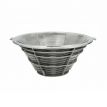
Wedge wire baskets
Wedge wire baskets provide advantages such as:
Higher open area
Better particle release
Lower clogging risk
Easier cleaning
A basket with higher dirt-holding capacity can extend service intervals and reduce production interruptions.
For systems with frequent contamination loads, selecting the correct basket design can significantly lower labor and maintenance expenses.
Material compatibility is essential for reducing replacement costs.
Incorrect material selection may result in:
Corrosion
Leakage
Structural failure
Shortened equipment lifespan
Common materials include:
Material Typical Applications
Carbon Steel General industrial fluids
SS304 Water and general filtration
SS316L Chemical and corrosive environments
Duplex Stainless Steel High chloride applications
For aggressive fluids or high-temperature processes, corrosion-resistant materials may provide a higher initial investment but significantly reduce long-term costs.
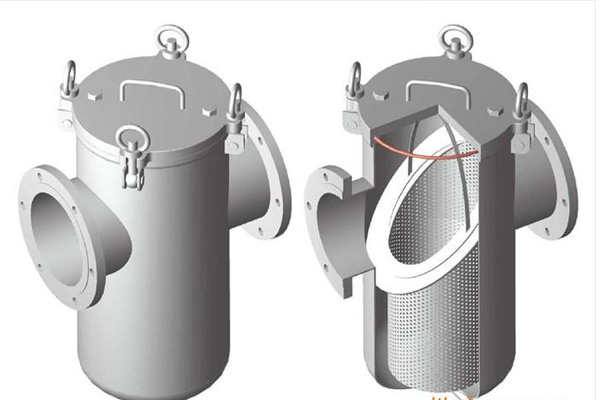
Pressure drop is a key indicator of filtration performance.
Factors affecting pressure loss include:
Basket opening area
Filtration accuracy
Flow velocity
Contaminant loading
Fluid properties
A high-quality basket filter housing with optimized internal flow paths minimizes turbulence and resistance.
Lower pressure drop helps:
Reduce energy consumption
Protect pumps
Maintain stable process conditions
Extend equipment life
Industrial filtration systems often operate continuously, making maintenance efficiency critical.
A well-designed basket filter housing should provide:
Quick-opening covers
Easy basket removal
Reliable sealing systems
Simple cleaning procedures
Reducing maintenance time directly improves production efficiency and lowers labor costs.
For applications requiring frequent cleaning, selecting a housing designed for fast access can provide significant lifecycle benefits.
Different industries have different filtration requirements.
Water Treatment
Focus on:
Corrosion resistance
High flow capacity
Easy cleaning
Common choice:
SS304 or SS316L housings
Chemical Processing
Focus on:
Chemical compatibility
Pressure resistance
Long service life
Common choice:
SS316L or special alloys
Food and Beverage
Focus on:
Hygienic design
Easy cleaning
Surface finish
Common choice:
Stainless steel sanitary housings
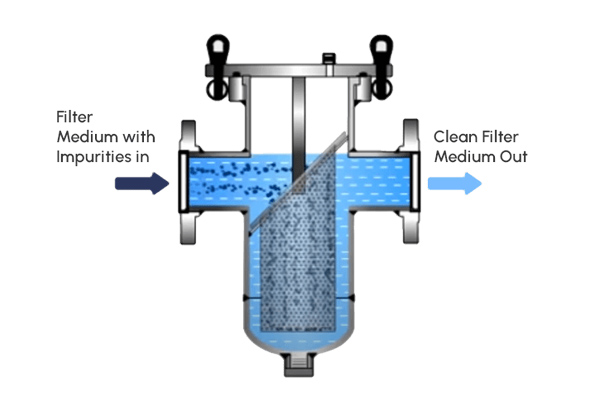
A basket filter housing with the lowest purchase price is not always the most economical choice.
Lifecycle costs include:
Initial equipment cost
Energy consumption
Cleaning frequency
Replacement parts
Downtime losses
Maintenance labor
A properly selected system may have a higher initial investment but provide:
Longer service life
Fewer interruptions
Lower operating expenses
Better process reliability
1. How does basket filter housing selection affect operating costs?
The correct housing size, material, and basket design reduce pressure loss, maintenance frequency, and replacement costs.
2. Why does pressure drop matter in basket filtration?
High pressure drop increases pump energy consumption and may indicate basket blockage or incorrect housing selection.
3. Are wedge wire baskets better than standard mesh baskets?
Wedge wire baskets generally provide higher open area, better cleaning performance, and reduced clogging risk in demanding applications.
4. Which material is best for basket filter housings?
SS316L is commonly used for corrosive environments, while SS304 is suitable for many general industrial applications. The best choice depends on fluid chemistry and operating conditions.
Proper basket filter housing selection is an effective way to reduce industrial operating costs. By optimizing flow capacity, basket design, material selection, and maintenance requirements, companies can improve filtration efficiency while minimizing energy use and downtime.
A well-engineered basket filter housing is not only a filtration component—it is a long-term investment in process reliability, operational efficiency, and lifecycle cost reduction.
Related Products
Automatic Backwash Self Cleaning Filters
86-15732177595
Jinling Mansion 2 2-3-403, Yuhua Road 106-1, Yuhua District, Shijiazhuang City, Hebei, China
Request a Quote