
Hebei YUBO Filtration Equipment Co., Ltd. Hebei YUBO Filtration Equipment Co., Ltd.
+86 15732177595
Hebei YUBO Filtration Equipment Co., Ltd. Hebei YUBO Filtration Equipment Co., Ltd.
+86 15732177595
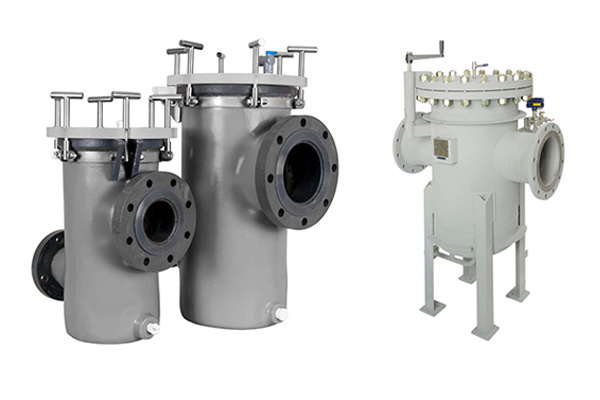
When selecting an industrial basket filter housing, many buyers focus primarily on the initial purchase price. However, in most industrial filtration applications, the acquisition cost represents only a small portion of the total cost incurred throughout the equipment's operational life.
Maintenance requirements, energy consumption, replacement components, downtime risks, and service life often have a far greater impact on long-term operating expenses than the initial investment itself.
This is why many engineers and plant managers increasingly rely on Lifecycle Cost Analysis (LCCA) when evaluating basket filter housing systems. By considering all costs associated with ownership and operation, facilities can make more informed decisions that improve reliability and reduce total operating costs.
Lifecycle Cost Analysis (LCCA) is a methodology used to estimate the total cost of owning and operating equipment over its useful service life.
For industrial basket filter housing systems, lifecycle costs generally include:
Initial equipment purchase
Installation costs
Energy consumption
Maintenance expenses
Replacement baskets or screens
Labor costs
Downtime losses
Disposal or replacement costs
In many industrial facilities, the initial purchase price accounts for only 15–30% of total ownership costs over a 10-year operating period.
The first cost component is the purchase and installation of the basket filter housing.
Factors influencing capital cost include:
Housing Material
Common options include:
Carbon Steel
Stainless Steel 304
Stainless Steel 316L
Duplex Stainless Steel
Although stainless steel housings typically require a higher upfront investment, they often provide significantly longer service life in corrosive environments.
Housing Size
Larger housings generally cost more initially but may reduce operating expenses by lowering pressure drop and extending cleaning intervals.
Design Features
Additional features may include:
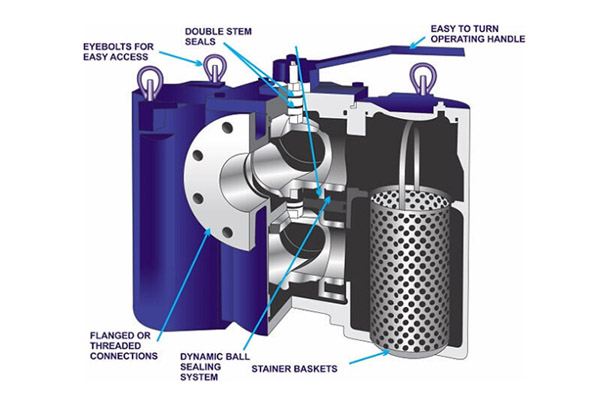
Quick-opening closures
Differential pressure gauges
Automated drain systems
ASME pressure vessel compliance
These options increase acquisition cost but can reduce maintenance expenses over time.
Energy costs are often overlooked during equipment selection.
Pressure drop across a basket filter directly affects pump energy requirements.
When pressure loss increases:
Pump load increases
Electricity consumption rises
Operating expenses grow
For example:
A basket filter generating a pressure drop of 0.5 bar instead of 0.2 bar may increase annual pumping costs by thousands of dollars in a high-flow industrial process.
Over a 10-year operating period, energy consumption can exceed the original equipment purchase price.
Maintenance and Cleaning Costs
Maintenance typically represents one of the largest lifecycle cost components.
Basket Cleaning Frequency
Cleaning intervals depend on:
Contaminant concentration
Flow rate
Basket open area
Screen slot size
Frequent cleaning increases:
Labor requirements
Process interruptions
Maintenance costs
A well-designed basket with higher open area may significantly reduce cleaning frequency.
Replacement Components
Common replacement items include:
Filter baskets
Seals and gaskets
Fasteners
Differential pressure instruments
Although individual replacement costs may appear small, cumulative expenses become significant over years of operation.
For many facilities, downtime represents the most expensive lifecycle cost factor.
Unexpected filter blockage can lead to:
Production interruptions
Product quality issues
Equipment damage
Missed delivery schedules
In industries such as:
Chemical processing
Food manufacturing
Pharmaceuticals
Petrochemicals
an hour of unplanned downtime may cost thousands—or even tens of thousands—of dollars.
Investing in a more reliable basket filter housing often generates substantial long-term savings through improved uptime.
Housing material significantly affects lifecycle economics.
Carbon Steel
Advantages:
Lower initial cost
Limitations:
Corrosion susceptibility
Shorter service life
Higher maintenance requirements
Stainless Steel 304
Advantages:
Good corrosion resistance
Long service life
Moderate lifecycle cost
Stainless Steel 316L
Advantages:
Superior corrosion resistance
Lower maintenance requirements
Extended service life
Although a 316L housing may cost 20–40% more initially, it can often operate for decades in aggressive environments with minimal degradation.
The Impact of Filtration Efficiency on Lifecycle Cost
Filtration performance influences costs throughout the system.
A properly sized basket filter helps:
Protect pumps
Protect heat exchangers
Protect valves
Protect downstream filters
Poor filtration performance can increase maintenance costs across the entire process line.
In many facilities, the value of protected equipment exceeds the cost of the basket filter housing itself by a substantial margin.
Example Lifecycle Cost Comparison
Consider two basket filter housing options for a 10-year operating period.
Cost Category Economy Housing Premium Housing
Initial Purchase $2,500 $4,500
Installation $800 $800
Energy Costs $18,000 $12,000
Maintenance $12,000 $6,000
Replacement Parts $5,000 $2,500
Downtime Costs $15,000 $4,000
Total Lifecycle Cost $53,300 $29,800
Although the premium housing costs more initially, the total lifecycle cost is approximately 44% lower over ten years.
This example demonstrates why purchase price alone can be misleading.
Strategies for Reducing Lifecycle Costs
To optimize long-term performance, facilities should consider:
Selecting the Correct Housing Size
Oversized systems may reduce pressure loss and extend maintenance intervals.
Using Corrosion-Resistant Materials
Proper material selection extends equipment life and reduces repair costs.
Monitoring Differential Pressure
Pressure monitoring allows predictive maintenance before severe blockage occurs.
Optimizing Basket Design
High-open-area baskets often improve flow performance and reduce cleaning frequency.
Implementing Preventive Maintenance Programs
Routine inspections help prevent costly failures and unplanned downtime.
Why is lifecycle cost more important than purchase price?
Because operating, maintenance, energy, and downtime expenses often exceed the initial equipment cost over the filter's service life.
How does pressure drop affect lifecycle costs?
Higher pressure drop increases pump energy consumption and operating expenses throughout the system's lifespan.
Which housing material offers the lowest lifecycle cost?
For many industrial applications, Stainless Steel 316L provides the best balance between durability, corrosion resistance, and long-term maintenance savings.
How can basket cleaning frequency be reduced?
Using larger filtration areas, higher open-area baskets, and properly sized filtration systems can extend cleaning intervals.
A comprehensive lifecycle cost analysis reveals that the true cost of an industrial basket filter housing extends far beyond the purchase price. Energy consumption, maintenance requirements, downtime risks, replacement components, and equipment longevity all contribute to total ownership cost.
By evaluating basket filter housing systems based on long-term performance rather than upfront cost alone, facilities can improve operational reliability, reduce maintenance expenses, and achieve a significantly lower total cost of ownership. In modern industrial filtration applications, lifecycle cost analysis has become an essential tool for making economically sound equipment decisions.
Related Products
Automatic Backwash Self Cleaning Filters
86-15732177595
Jinling Mansion 2 2-3-403, Yuhua Road 106-1, Yuhua District, Shijiazhuang City, Hebei, China
Request a Quote