
Hebei YUBO Filtration Equipment Co., Ltd. Hebei YUBO Filtration Equipment Co., Ltd.
+86 15732177595
Hebei YUBO Filtration Equipment Co., Ltd. Hebei YUBO Filtration Equipment Co., Ltd.
+86 15732177595
Basket filter housingsare widely used in industrial filtration systems to remove suspended solids, protect downstream equipment, and maintain stable process conditions. While filtration accuracy is important, flow capacity is often the key factor that determines overall system performance. An improperly selected basket filter housing can lead to excessive pressure loss, frequent maintenance, reduced equipment efficiency, and unexpected downtime.
Understanding the factors that influence flow capacity helps engineers and operators choose the right filtration solution for their specific application.
Why Flow Capacity Matters in Basket Filter Housing Systems
Flow capacity refers to the amount of fluid that can pass through a basket filter housing while maintaining acceptable filtration performance. When flow capacity is properly matched to system requirements, the filter can effectively capture contaminants without creating excessive resistance to flow.
If a housing is undersized, fluid velocity may increase, leading to higher pressure losses and faster contaminant accumulation. On the other hand, an appropriately sized housing promotes stable flow distribution, longer service intervals, and more efficient operation.
Housing Size and Internal Configuration
Housing size is one of the most obvious factors affecting flow capacity. Larger housings generally provide more internal space for fluid movement and contaminant collection. However, housing size alone does not determine performance.
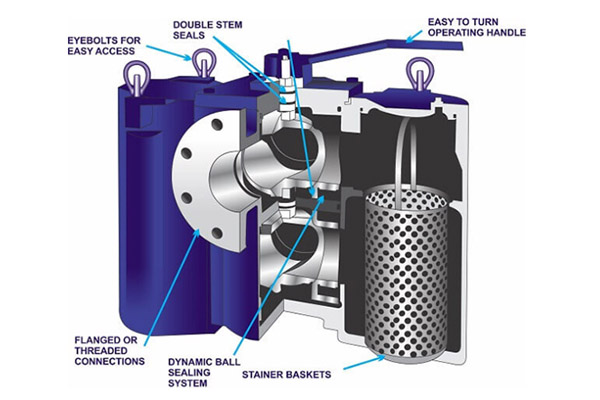
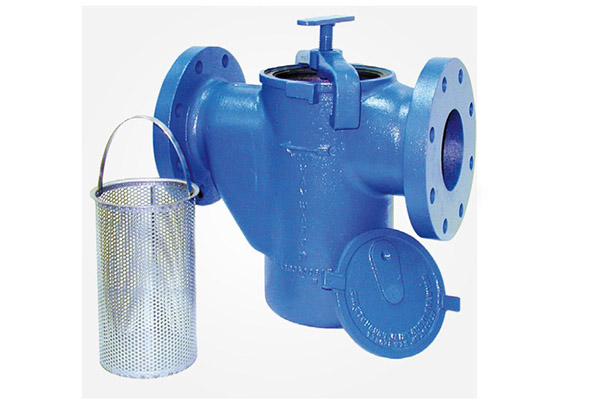
The internal design of the housing, including inlet and outlet arrangement, basket positioning, and flow path geometry, also influences how efficiently fluid moves through the filtration element. A well-designed housing helps minimize turbulence and encourages uniform flow distribution across the entire basket surface.
Filtration Area
The effective filtration area of the basket plays a critical role in determining flow capacity.
A larger filtration area allows fluid to pass through the media at a lower velocity, reducing resistance and improving contaminant distribution. Benefits of increased filtration area include:
Lower pressure loss
Improved filtration efficiency
Longer cleaning intervals
Better dirt-holding capacity
For many applications, filtration area can have a greater impact on performance than housing diameter alone.
Basket Open Area
The open area of the basket affects how easily fluid can pass through the filtration element.
Baskets with higher open-area designs generally provide smoother flow paths and reduced hydraulic resistance. Different basket constructions offer different advantages:
Perforated baskets provide structural strength and support.
Wire mesh baskets offer finer filtration capabilities.
Wedge wire baskets combine high open area with excellent mechanical durability.
Selecting the appropriate basket design helps optimize both flow capacity and filtration efficiency.
Fluid Viscosity
Fluid viscosity significantly affects filtration performance.
Low-viscosity fluids such as water typically flow through filter media with relatively little resistance. More viscous liquids require additional energy to move through the filtration surface, which can reduce effective flow capacity and increase pressure loss.
When filtering oils, syrups, chemicals, or other higher-viscosity fluids, viscosity should always be considered during filter selection to ensure consistent system performance.
Differential Pressure
Differential pressure is one of the most important indicators of basket filter operating condition.
As contaminants accumulate on the basket surface, flow resistance gradually increases. This increase in resistance causes differential pressure to rise and can eventually restrict system flow.
Routine monitoring of differential pressure helps operators determine when cleaning or maintenance is required, ensuring the filtration system continues operating efficiently while minimizing unplanned downtime.
Efficient flow distribution is essential for maximizing the performance of a basket filter housing.
When fluid is distributed evenly across the entire filtration surface, contaminants are captured more uniformly, allowing the basket to utilize its full filtration capacity. Poor flow distribution can result in localized loading, premature clogging, and reduced filtration efficiency.
Features such as properly designed inlet connections, optimized basket geometry, and adequate open area all contribute to more balanced flow patterns and improved overall system reliability.
Common Factors That Reduce Flow Capacity
Several operational conditions can negatively impact basket filter performance:
Excessive contaminant loading
Insufficient filtration area
High-viscosity process fluids
Inappropriate basket construction
Delayed cleaning or maintenance
Uneven flow distribution within the housing
Identifying and addressing these factors can help maintain stable flow rates and extend equipment service life.
Industrial Application Example
In industrial cooling water, chemical processing, and wastewater treatment systems, basket filter housings are commonly used to protect pumps, valves, heat exchangers, and other critical equipment.
When a filter housing is properly sized and equipped with a suitable basket design, operators can achieve more stable flow conditions, reduce maintenance frequency, and improve the overall reliability of the filtration system. Conversely, poor filter selection may lead to frequent cleaning requirements and unnecessary operating costs.
FAQ
What factors most affect basket filter housing flow capacity?
Flow capacity is primarily influenced by filtration area, basket design, fluid viscosity, contaminant loading, and differential pressure.
Does a larger basket filter housing always provide better performance?
Not necessarily. While housing size is important, filtration area, basket open area, and internal flow distribution often have an equally significant impact on performance.
Why does differential pressure increase during operation?
As contaminants accumulate on the basket surface, resistance to flow increases, causing differential pressure to rise over time.
How can filtration efficiency be improved?
Proper filter sizing, selecting the appropriate basket construction, maintaining adequate filtration area, and performing routine maintenance can all help improve filtration efficiency.
Basket filter housing flow capacity is influenced by a combination of housing design, filtration area, basket construction, fluid properties, and operating conditions. Understanding these factors allows engineers and operators to select filtration systems that deliver reliable performance, stable flow rates, and efficient contaminant removal. By focusing on proper sizing, optimized basket design, and regular maintenance, industrial facilities can maximize filtration efficiency while reducing downtime and operating costs.
Related Products
Automatic Backwash Self Cleaning Filters
86-15732177595
Jinling Mansion 2 2-3-403, Yuhua Road 106-1, Yuhua District, Shijiazhuang City, Hebei, China
Request a Quote