
Hebei YUBO Filtration Equipment Co., Ltd. Hebei YUBO Filtration Equipment Co., Ltd.
+86 15732177595
Hebei YUBO Filtration Equipment Co., Ltd. Hebei YUBO Filtration Equipment Co., Ltd.
+86 15732177595
News
A basket straineris a mechanical filtration device designed to remove solid particles from liquid pipelines and protect downstream equipment from contamination. It is commonly installed before pumps, valves, heat exchangers, flow meters, and other critical components to prevent damage caused by unwanted debris.
Unlike disposable filters, basket strainers use a removable filtration basket that can be cleaned and reused, making them a practical solution for industrial liquid filtration applications. The overall performance of a basket strainer depends not only on the filter basket but also on the design and quality of each internal component.
Learn more about the guide for basket filters.
A typical basket strainer consists of several key components that work together to achieve efficient filtration and reliable operation.
1. Strainer Housing
The housing is the main pressure-containing body of the basket strainer. It provides structural support for the internal basket and creates a controlled flow path for the liquid.
The housing design directly affects:
Pressure resistance
Flow stability
Corrosion resistance
Service life
Depending on the application requirements, basket strainer housings can be manufactured from materials such as stainless steel, carbon steel, or other corrosion-resistant alloys.
For industrial applications involving chemicals, seawater, or corrosive fluids, stainless steel housing is often selected due to its durability and resistance to harsh environments.
2. Filter Basket
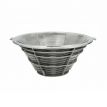
The filter basket is the core filtration component of a basket strainer. It is responsible for capturing and retaining solid contaminants while allowing clean liquid to pass through.
Common basket designs include:
Perforated metal baskets
Wire mesh baskets
Multi-layer filtration baskets
The filtration performance of a basket strainer is mainly determined by:
Opening size or mesh rating
Basket filtration area
Material strength
Dirt holding capacity
A well-designed filter basket provides efficient particle removal while maintaining low pressure loss. Stainless steel baskets are widely used because they offer excellent mechanical strength, corrosion resistance, and repeated cleaning capability.
3. Cover Assembly
The cover assembly provides access to the internal basket for inspection, cleaning, and replacement.
A properly designed cover system ensures:
Easy maintenance
Reliable sealing
Safe operation under pressure
Common cover designs include bolted covers and quick-opening structures. The selection depends on operating pressure, maintenance frequency, and installation requirements.
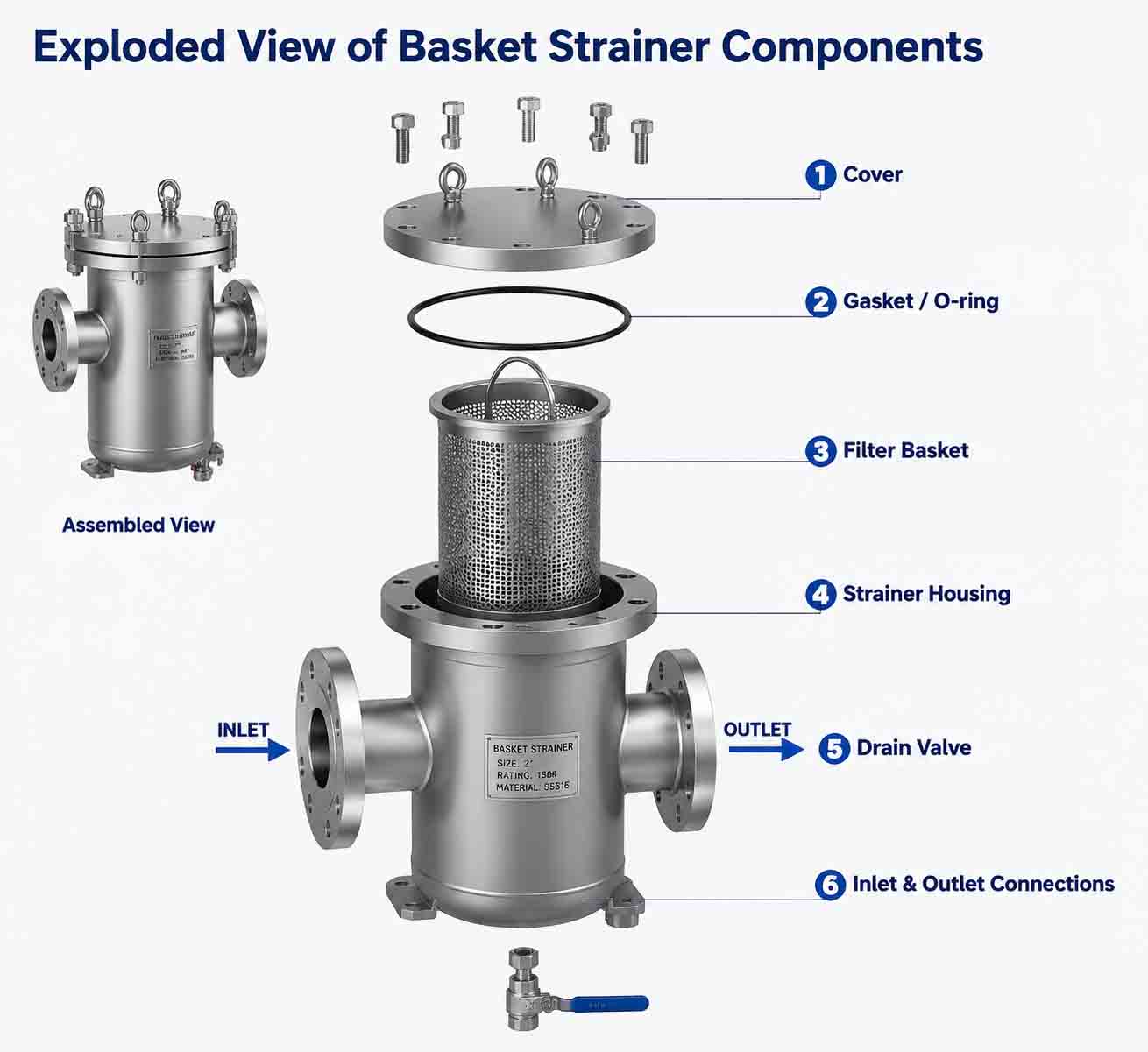
4. Sealing Components
Sealing components, including gaskets and O-rings, play an important role in preventing leakage between the housing and cover.
A reliable sealing system helps maintain:
Proper pressure containment
Stable filtration performance
Prevention of fluid bypass
Poor sealing performance may allow unfiltered liquid to pass through the system, reducing filtration efficiency and potentially damaging downstream equipment.
5. Inlet and Outlet Connections
The inlet and outlet connections determine how the basket strainer is integrated into the pipeline system.
Common connection types include:
Flanged connections
Threaded connections
Customized pipeline connections
Proper flow direction is important because liquid normally enters through the inlet, passes through the filter basket from outside to inside, and exits through the outlet after contaminants are removed.
6. Drain Valve and Accessories
Some basket strainers are equipped with drain valves, pressure gauges, or differential pressure indicators to improve operation and maintenance.
These accessories help operators:
Remove collected contaminants
Monitor filter blockage
Determine cleaning intervals
Each component of a basket strainer contributes to equipment protection.
The filter basket removes unwanted particles such as:
Sand
Rust particles
Welding debris
Process contaminants
By preventing these particles from entering sensitive equipment, basket strainers help reduce:
Pump wear
Valve damage
Heat exchanger fouling
Unexpected system downtime
The housing protects the filtration assembly under operating pressure, while sealing components ensure that contaminated liquid cannot bypass the filter element.
For industrial systems, selecting the right basket strainer components is essential for maintaining reliable operation and reducing maintenance costs.
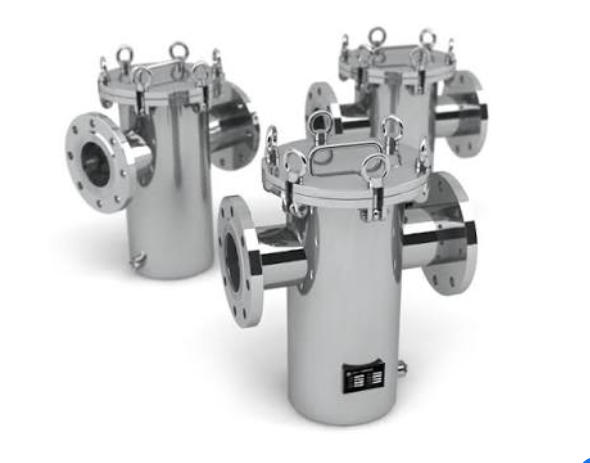
The working principle of a basket strainer is simple:
Contaminated liquid enters through the inlet connection.
The liquid flows into the housing and passes through the filter basket.
Solid particles larger than the basket opening are trapped inside the basket.
Filtered liquid flows out through the outlet.
When contaminants accumulate, the basket can be removed, cleaned, and reused.
During operation, the increasing amount of trapped particles may cause higher pressure drop. Regular inspection and cleaning help maintain filtration efficiency.
Learn in detail how the basket filter works.
High Dirt Holding Capacity
The removable basket provides a larger collection area compared with many inline filtration solutions, allowing longer operating periods between cleanings.
Easy Maintenance
The reusable basket can be quickly removed and cleaned without replacing the entire filtration unit.
Low Operating Cost
Because the basket can be reused multiple times, basket strainers reduce replacement filter costs.
Strong Durability
Stainless steel components provide excellent mechanical strength and corrosion resistance for demanding industrial environments.
Flexible Application Options
Basket strainers are suitable for various liquids, including water, oil, chemicals, and process fluids.
When choosing a basket strainer, several factors should be evaluated:
Material Compatibility
The material should match the chemical properties and temperature conditions of the fluid.
Filtration Requirement
The basket opening size should meet the required particle removal level without creating excessive pressure loss.
Operating Conditions
Pressure rating, flow rate, and maintenance requirements should be considered during selection.
Maintenance Convenience
A practical design should allow easy basket removal, cleaning, and inspection.
1. What are the main components of a basket strainer?
The main components include the housing, filter basket, cover assembly, sealing components, inlet and outlet connections, and optional accessories such as drain valves or pressure indicators.
2. Which component is the most important part of a basket strainer?
The filter basket is the most critical component because it directly controls particle removal efficiency, dirt holding capacity, and filtration performance.
3. How often should a basket strainer basket be cleaned?
Cleaning frequency depends on the contamination level, operating conditions, and pressure drop across the filter. Regular monitoring helps determine the appropriate maintenance schedule.
4. What materials are commonly used for basket strainer components?
Common materials include stainless steel 304, stainless steel 316, carbon steel, and other special alloys selected according to application requirements.
Understanding basket strainer components helps engineers and operators select the right filtration solution for industrial applications. Each part, from the housing and filter basket to the sealing system, plays an important role in maintaining reliable filtration performance and protecting downstream equipment.
A properly designed basket strainer not only improves system reliability but also reduces maintenance requirements and operating costs in long-term industrial processes.
Related Products
Automatic Backwash Self Cleaning Filters
86-15732177595
Jinling Mansion 2 2-3-403, Yuhua Road 106-1, Yuhua District, Shijiazhuang City, Hebei, China
Request a Quote